Imagine a classroom where two students know the answer to a question. One confidently raises their hand and explains their thoughts clearly. The other knows the answer too but hesitates to speak.
Who do you think gets noticed?
In today\'s world, knowledge is important, but the ability to communicate that knowledge is equally valuable. Public speaking is no longer a skill reserved for politicians, teachers, or leaders. It is a life skill that every child should develop from an early age.
What is Public Speaking?
Public speaking is the ability to express thoughts, ideas, and information confidently in front of an audience. For children, this could mean:
- Answering questions in class
- Participating in debates
- Giving presentations
- Storytelling
- Hosting school events
- Expressing opinions confidently
The goal is not to speak perfectly but to communicate effectively.
Why Do Children Fear Public Speaking?
Many children experience nervousness when speaking in front of others. Common reasons include:
- Fear of making mistakes
- Lack of confidence
- Fear of judgment
- Limited speaking opportunities
- Shyness and social anxiety
The good news is that confidence is not something children are born with—it is something they build through practice.
Benefits of Public Speaking for Students
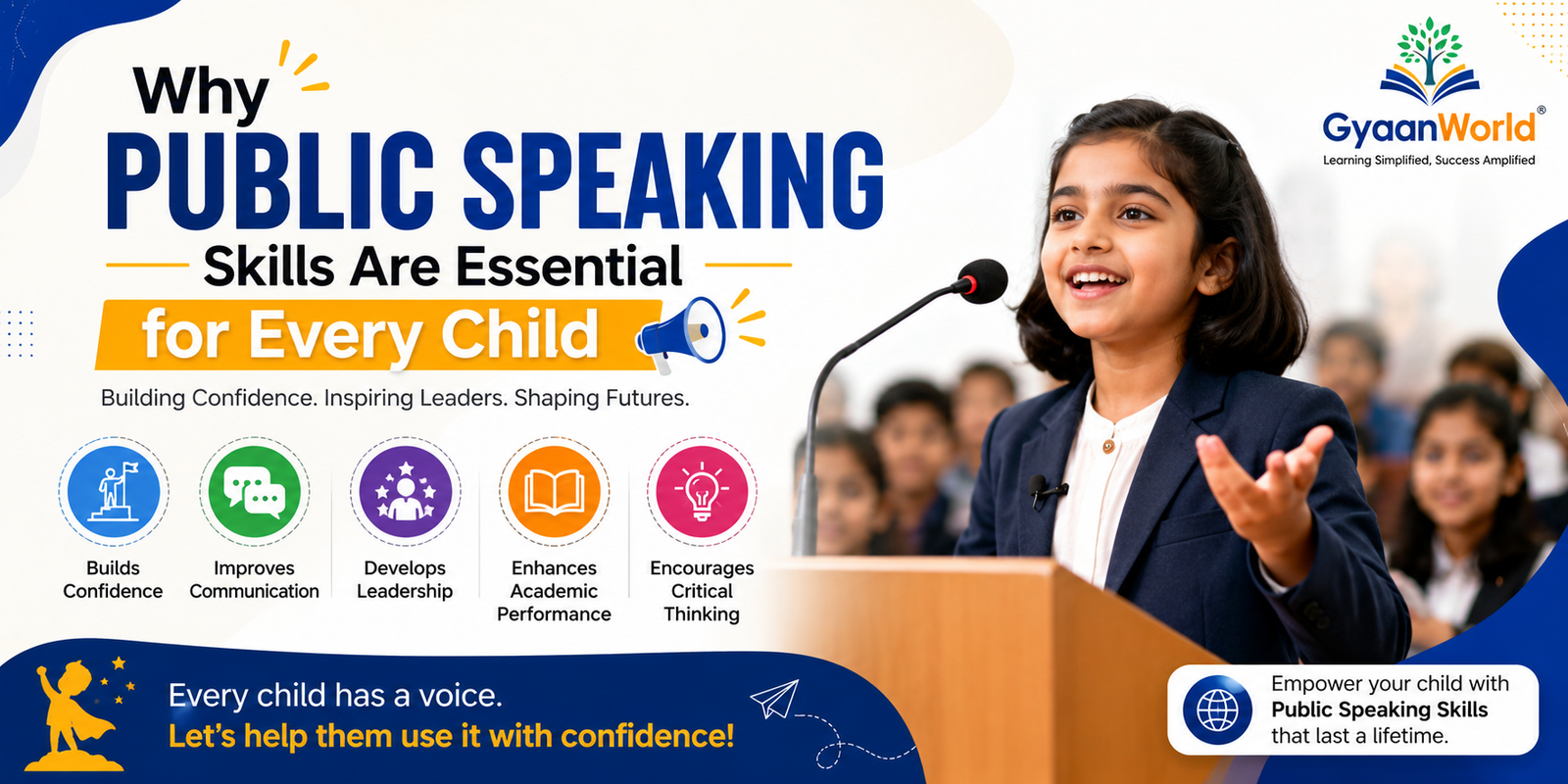
1. Builds Self-Confidence
Every successful speech, presentation, or classroom answer boosts a child\'s confidence. Over time, they learn to trust themselves and their abilities.
2. Improves Communication Skills
Public speaking teaches children how to organize their thoughts and communicate clearly. These skills help them in school, friendships, and future careers.
3. Develops Leadership Qualities
Great leaders are great communicators. Public speaking encourages children to take initiative, share ideas, and influence others positively.
4. Enhances Academic Performance
Many school assessments involve presentations, discussions, and oral communication. Students with strong speaking skills often perform better in these activities.
5. Encourages Critical Thinking
Preparing speeches and presentations helps children analyze information, form opinions, and present logical arguments.
6. Prepares Children for Future Careers
Whether a child becomes an engineer, doctor, entrepreneur, scientist, teacher, or artist, communication skills will always play a major role in success.
Signs Your Child Needs Public Speaking Training
Your child may benefit from public speaking practice if they:
- Avoid speaking in class
- Feel nervous during presentations
- Struggle to express ideas clearly
- Lack confidence in social situations
- Find it difficult to communicate with new people
Early intervention can help transform these challenges into strengths.
Simple Ways Parents Can Improve Public Speaking Skills at Home
Encourage Daily Conversations
Ask open-ended questions and encourage your child to explain their thoughts.
Practice Storytelling
Ask them to narrate their day or tell a short story.
Create Presentation Opportunities
Allow children to present a topic to family members.
Celebrate Effort
Focus on improvement rather than perfection.
Build Reading Habits
Reading improves vocabulary, confidence, and communication skills.
How GyaanWorld Helps Children Become Confident Speakers
At GyaanWorld, our Public Speaking Program focuses on:
- Confidence Building
- Stage Presence
- Voice Modulation
- Communication Skills
- Storytelling Techniques
- Leadership Development
- Presentation Skills
- Debate and Discussion Practice
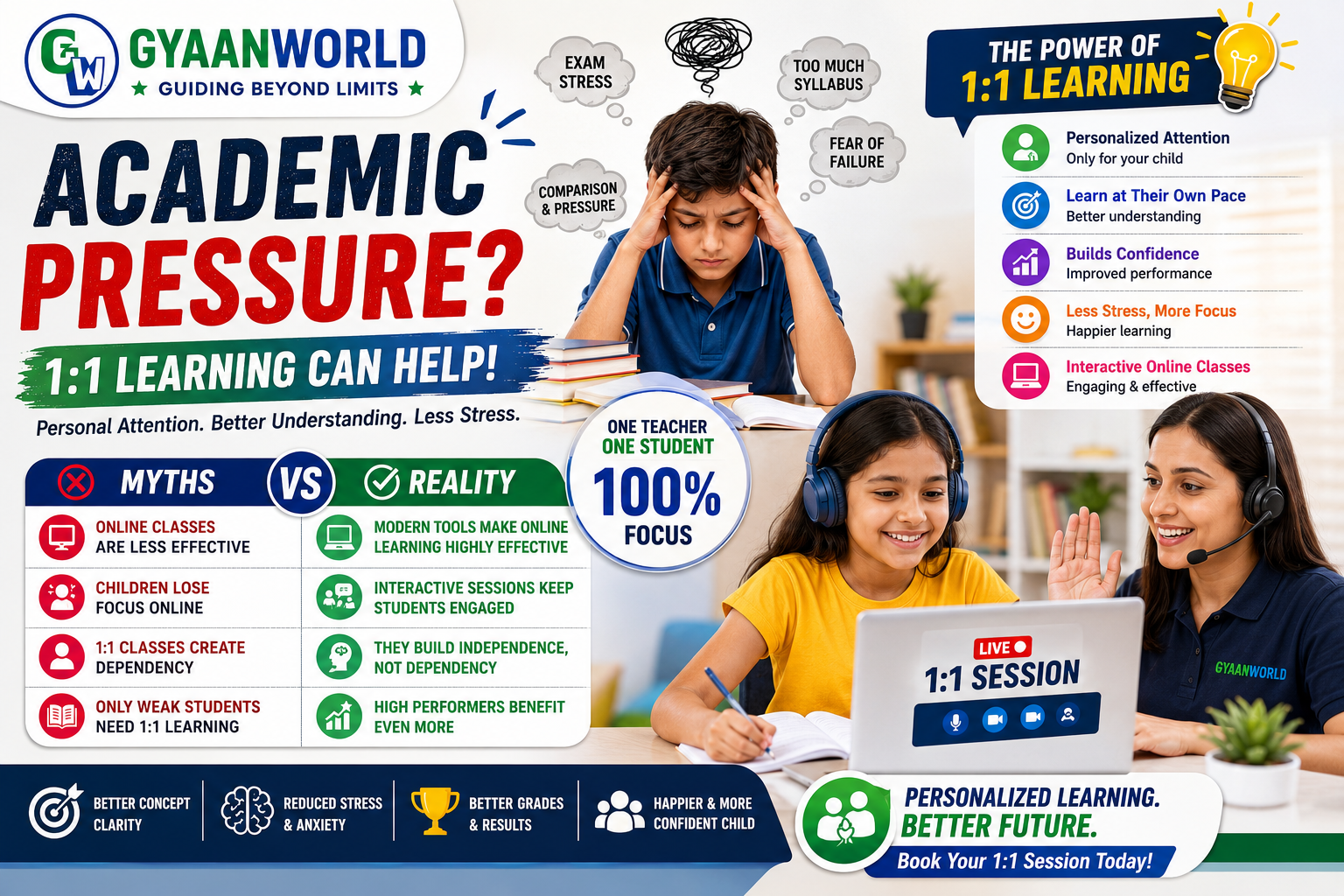
Our personalized 1:1 learning approach ensures that every child receives individual attention and guidance to overcome fear and build confidence.
Final Thoughts
Public speaking is more than just standing on a stage and delivering a speech. It is about expressing ideas, building confidence, developing leadership qualities, and preparing children for lifelong success.
The earlier children start developing communication skills, the easier it becomes for them to excel academically, socially, and professionally.
A confident speaker today can become a confident leader tomorrow.